
Learning Through Play · 5 min read
Typing Games and Keyboard Skills
How short typing games can build accuracy, confidence, and keyboard familiarity.
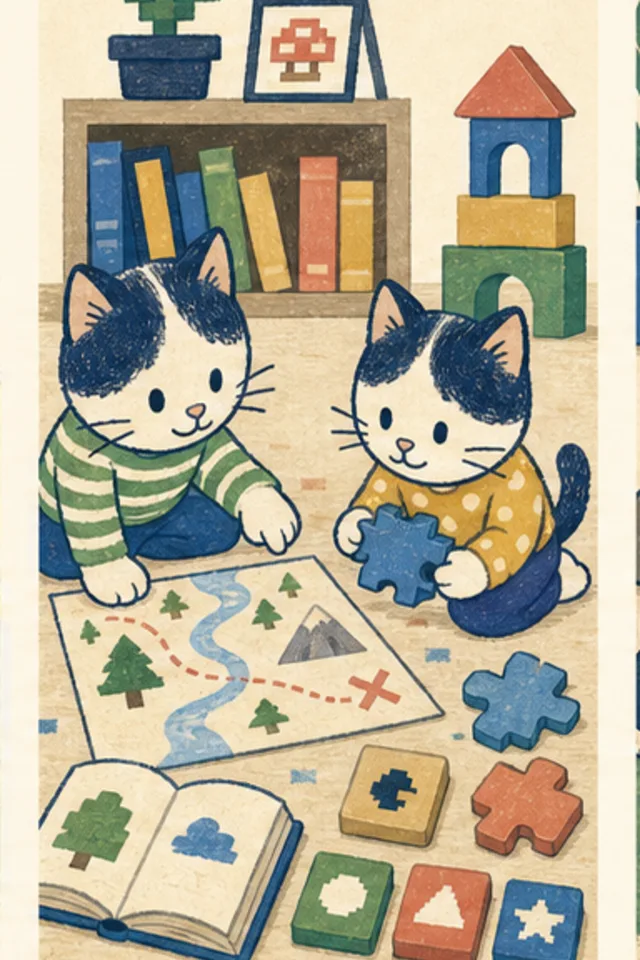
Why this matters
Typing games work best when accuracy and relaxed hands come before speed. Short, regular practice builds familiarity without turning every mistake into pressure.
Watch whether the child searches for each letter, uses one hand, hunches toward the screen, or rushes after an error. Choose the next goal from what you observe.
A practical family routine
- Set the keyboard at a comfortable height.
- Practice a small group of keys or short words.
- Pause after a few minutes to relax hands and eyes.
- Celebrate improved accuracy before faster scores.
The routine is meant to be small enough to use during ordinary family life. Try it once, notice what helped, and change the parts that did not fit the child, device, or game.
Questions that open a conversation
- Which letters were easy to find?
- Did looking at the screen or keyboard help more?
- What changed when you slowed down?
Ask one question at a natural pause rather than turning the entire play session into an interview. Specific observations are more useful than praise or criticism aimed at the child.
Kid version
Keep your shoulders loose and tap gently. Read the whole word, find one letter at a time, and let accuracy grow before speed.
If you make a mistake, tell a trusted grown-up. Asking for help is the smart move, and private details never belong in an ordinary browser game.
What this guide cannot promise
Stop if typing causes pain or persistent discomfort. Adjust the device or seek appropriate professional advice.
Smart Cat Games connects learning and safety claims to things families can actually observe. This guide is general information, not legal, medical, or diagnostic advice.
Try it together
Choose one step from this page for the next short game session. At the stopping point, each person can name one thing they noticed and one thing they would change next time.
Put it into practice
Related games
Typing Cat
Catch birds, defend jungle huts, and build keyboard confidence with kid-sized typing lessons.